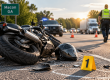
Drivers often say they “did not see” a motorcycle before turning, merging, or entering an intersection. That statement does not automatically excuse the driver. Evidence may show that the motorcyclist was visible and that a careful driver should have noticed them.
A motorcycle accident attorney in Macon, GA may examine video, witness accounts, vehicle damage, road conditions, and the driver’s actions before the collision. The goal is to show not only that the driver failed to see the motorcycle, but that the failure resulted from unsafe or inattentive driving.
Can a Driver Be Responsible Even If They Did Not See the Motorcycle?
Yes. Drivers have a duty to watch for other road users, including motorcyclists. Saying “I did not see them” may support an argument that the driver failed to keep a proper lookout.
The key question is whether a reasonably careful driver should have seen the motorcycle under the same circumstances. Investigators may examine visibility, lighting, traffic, weather, vehicle position, and how long the motorcycle was in view.
What Video Evidence Can Help Prove Visibility?
Dashcam, traffic camera, surveillance, and cell phone footage may show where the motorcycle was before impact. Video can also capture the other vehicle turning without yielding, drifting into a lane, or entering an intersection when the rider was clearly approaching.
Nearby businesses and homes may have cameras facing the road. Because recordings are sometimes overwritten, requesting the footage quickly can be important.
Video should be preserved in its original form. Edited clips may create questions about whether important moments were removed.
How Can Witness Statements Support the Claim?
Independent witnesses can describe whether the motorcycle’s headlight was visible, how traffic was moving, and whether the driver appeared distracted or failed to yield.
A witness may also have heard the driver admit they were looking elsewhere, using a phone, or focused on another vehicle. Statements made immediately after the crash can become valuable when the driver later gives a different account.
Witness information is one of several items’ riders should preserve after a collision. For more information about the wider claims process, read how to sue after a motorcycle accident in Macon, GA?.
Can Vehicle Damage Show What the Driver Failed to Notice?
Yes. The location and pattern of damage may help explain how the vehicles came together.
For example, damage to the front of a motorcycle and the side of a turning vehicle may support an argument that the driver crossed the rider’s path. Damage along the motorcycle’s side may point to an unsafe merge or lane change.
Accident reconstruction professionals may compare damage, skid marks, debris, road measurements, and final vehicle positions to determine how the collision occurred.
Does the Police Report Prove the Driver Was at Fault?
A police report may include driver statements, witness information, diagrams, citations, and the officer’s initial observations. It can be useful, but it is not always the only or final word on fault.
The officer may not have witnessed the collision. If the report does not fully explain what happened, photographs, video, physical evidence, and witness testimony may provide a clearer picture.
People who need a copy of the report can review how do I look up an accident report in Georgia? for information about obtaining accident records.
Can Cellphone Records Prove the Driver Was Distracted?
Potentially. Phone records may help show whether a driver was making a call, sending messages, or using data around the time of the crash.
The records may not reveal everything the driver was doing on the device, but they can support other evidence. A witness who saw the driver looking down, combined with phone activity near the time of impact, may strengthen a distracted-driving argument.
Getting another person’s records generally requires a proper legal process. This is one reason evidence requests often become more formal after a lawsuit is filed.
Why Do Left-Turn Motorcycle Crashes Often Involve Visibility Disputes?
A common motorcycle collision happens when a driver turns left across the rider’s path. The driver may claim the motorcycle appeared suddenly or was difficult to see.
Evidence may show otherwise. The rider’s headlight, lane position, clothing, approach distance, and speed can all help determine how long the motorcycle should have been visible.
Weather and low-light conditions may also affect the investigation. If rain, glare, or poor visibility played a role, how do weather-related accidents impact liability in Macon, GA? explains how road conditions can become part of the fault analysis.
How Does Georgia’s Comparative Fault Rule Affect the Evidence?
Georgia uses a modified comparative fault system. Compensation may be reduced by the injured person’s percentage of fault, and a claimant generally cannot recover if found 50% or more responsible.
Insurance companies may argue that the rider was speeding, difficult to see, or positioned unsafely. Strong evidence can help challenge those claims and show that the driver had enough time and opportunity to notice the motorcycle.
This matters because the amount recovered depends partly on how fault is assigned. You can learn more about claim value in how much compensation do you get for a motorcycle accident in Macon, GA?
What Evidence Should Be Preserved After the Crash?
Important evidence may include:
- Helmet or motorcycle camera footage
- Photographs of the scene and vehicle damage
- Witness names and contact details
- The police accident report
- Damaged clothing, helmet, and motorcycle parts
- Cellphone or electronic vehicle data
- Nearby traffic or surveillance recordings
Medical records are also important because they connect the collision to the rider’s injuries and treatment.
When Should You Speak With a Motorcycle Accident Lawyer in Macon, GA?
Legal guidance may be particularly helpful when the driver denies seeing the rider, the insurer disputes fault, or video and electronic records need to be preserved.
A motorcycle accident lawyer in Macon, GA may compare the driver’s explanation with the physical evidence and identify records that are likely to disappear if they are not requested promptly.
Conclusion
Proving that a driver failed to see a motorcyclist usually requires more than repeating what happened. Video, witness accounts, vehicle damage, cellphone activity, road evidence, and accident reconstruction may show that the motorcycle was visible and that the driver failed to keep a proper lookout.
When the driver’s visibility claim does not match the evidence, Westmoreland Law can examine the circumstances and help clarify what the available proof may show.