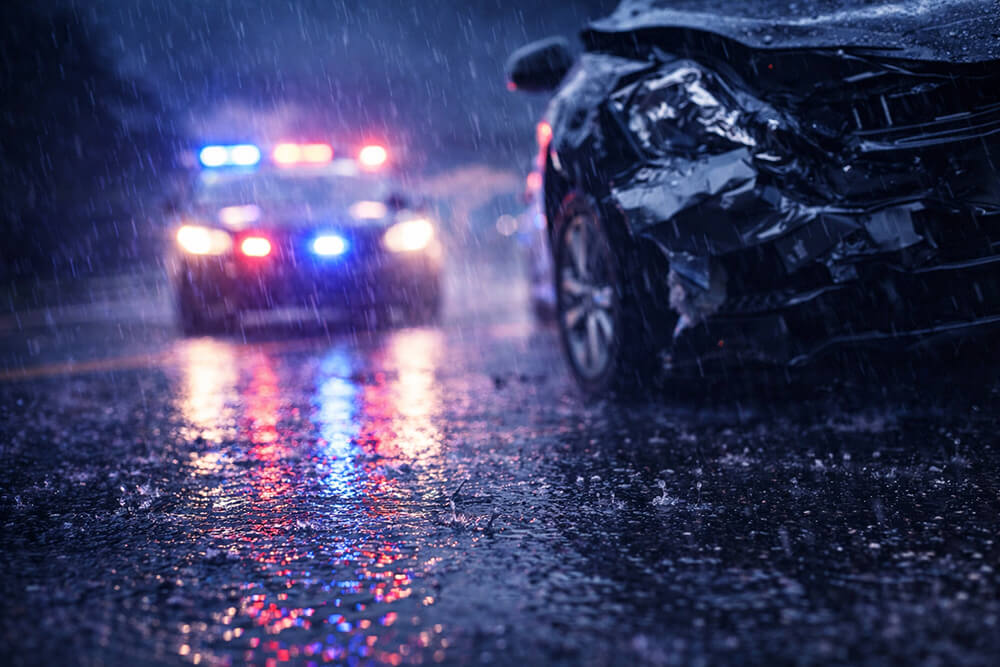
Rainstorms rolling through Middle Georgia. Thick morning fog along I-75. Sudden thunderstorms on Eisenhower Parkway. Drivers in Macon know that weather can change quickly, and those conditions often lead to serious crashes.
But when bad weather contributes to an accident, many people wonder: Who is actually responsible?
If the road was slick or visibility was poor, can anyone still be held liable? The answer under Georgia law is yes, weather alone usually isn’t enough to remove responsibility. Drivers are still expected to operate their vehicles safely.
Let’s walk through how liability works when weather plays a role in a Macon car accident.
Can Drivers Be Liable for Accidents Caused by Bad Weather?
Yes. Even when rain, fog, or storms contribute to a crash, drivers are still responsible for adjusting their behavior to match road conditions.
Georgia law requires motorists to drive at a reasonable and prudent speed for current conditions. That means drivers must slow down, increase following distance, and maintain control of their vehicle when roads are wet or visibility is reduced.
So if someone was speeding during a rainstorm and caused a crash, they may still be legally responsible, even though the weather played a role.
What Weather Conditions Commonly Lead to Crashes in Macon?
Common weather-related hazards include:
- Heavy rain and slick pavement
- Thunderstorms and reduced visibility
- Morning fog along highways and rural roads
- Standing water or hydroplaning
- Sudden wind gusts during storms
These conditions make driving more dangerous, but they don’t excuse careless driving. Drivers are expected to adapt.
Who Determines Fault in a Weather-Related Crash?
- Police accident reports
- Witness statements
- Vehicle damage patterns
- Traffic camera or dashcam footage
- Road and weather conditions at the time of the crash
Even if weather contributed to the accident, the question becomes whether the driver acted reasonably under those conditions.
What If Both Drivers Made Mistakes?
For example:
- One driver may have been speeding in the rain
- Another driver may have followed too closely
- A third driver might have failed to use headlights in low visibility
Georgia follows a modified comparative fault rule, meaning more than one person can share responsibility for a crash. If that happens, each party’s compensation may be reduced based on their percentage of fault.
You can learn more about this rule in our post explaining how Georgia’s comparative fault rule affects car accident cases.
Can Weather Affect the Value of an Accident Claim?
Yes, weather conditions can sometimes influence how an insurance company evaluates a claim.
For instance, if an insurer believes a driver lost control because of rain but was otherwise driving responsibly, they may try to argue that no one was truly at fault. However, if evidence shows that a driver was traveling too fast for the conditions, liability may still apply.
The final compensation in a case can depend on several factors, including injuries and damages. For a deeper look at possible compensation, this article explains what average car accident settlements look like in Georgia.
Do Weather-Related Claims Take Longer to Resolve?
This might include reviewing:
- Local weather reports
- Traffic camera footage
- Vehicle damage patterns
- Driver statements
These extra steps can extend the claim process slightly. If you’re wondering what a typical timeline might look like, this overview explains how long car accident claims usually take to settle in Georgia.
What Should You Do After a Weather-Related Crash?
Helpful actions include:
- Call law enforcement and request a police report
- Take photos of the road conditions and vehicle damage
- Document weather conditions if possible
- Get medical attention right away
Weather may complicate a crash, but strong documentation can help clarify what really happened.
Final Thoughts
If you’re dealing with a crash where weather may have played a role and fault is being disputed, it’s important to understand your rights and options.
If you need guidance after a weather-related crash, Contact Westmoreland Law today to discuss your situation and learn what steps may help protect your claim.