


After an accident, getting back on your feet physically, emotionally, and financially can feel overwhelming. And when it comes to securing a fair settlement, many people wonder: Am I getting what I really deserve?
The truth is, insurance companies don’t always have your best interests at heart. That’s why it’s important to take the right steps from the very beginning if you want to maximize your personal injury settlement.
Let’s walk through what you can do to protect your rights and boost your chances of full compensation.
1. Document Everything — From Day One

- Medical records and bills
- Prescription receipts
- Photos of your injuries and the accident scene
- Communication with insurance companies
- Missed workdays and wage loss proof
- A pain journal (daily notes about physical and emotional struggles)
This paper trail not only helps establish the severity of your injury, but also shows how your life has been impacted, which plays a big role in settlement calculations.
2. Don’t Settle Too Quickly
Before accepting any settlement:
- Make sure your medical treatment is complete
- Understand the long-term effects of your injury
- Talk to a lawyer who can help evaluate the offer
If you settle too soon, you may lose the ability to claim compensation for future treatments, lost earnings, or complications that weren’t initially obvious.
3. Work With a Personal Injury Lawyer You Can Trust
This is where things can really change in your favor.
An experienced personal injury lawyer knows how to:
- Accurately calculate the true value of your case
- Handle insurance company tactics
- Negotiate aggressively on your behalf
- Take your case to court if needed
At Westmoreland, Patterson, Moseley & Hinson, we’ve been helping Georgia injury victims for over 50 years. We understand the pressure you’re under, and we’re here to help you fight for the
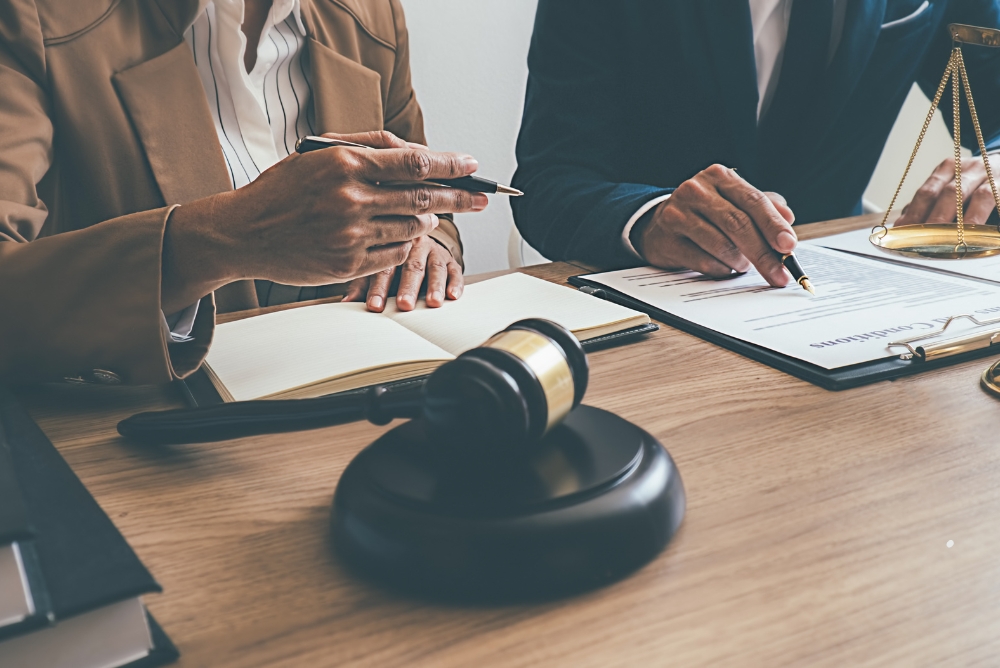
compensation you actually deserve, not just what’s easiest for the insurance company to pay.
What’s Next?
Contact us today to schedule a free consultation, no fees unless we win.
Let’s work together to make sure your voice is heard and your recovery is protected.


