


After a car accident, it’s not just the financial toll that hurts. There’s also the physical pain, emotional stress, and disruption to your everyday life. These real and personal impacts are known in legal terms as pain and suffering, and they often play a big role in personal injury compensation.
But how much can you actually recover for pain and suffering after a crash? The answer depends on several factors.
What Is Pain and Suffering?
Pain and suffering refers to non-economic damages. These are losses that do not come with a bill but still affect your life. They may include:
- Physical pain from injuries
- Anxiety, depression, or emotional distress
- Trouble sleeping or eating
- Loss of enjoyment in everyday activities
- Difficulty with relationships or social isolation
This type of compensation is intended to account for how the accident changed your life beyond the financial costs.
If you’re unsure whether your situation qualifies for compensation, you may want to review How to Determine if You Have a Personal Injury Claim in Georgia.
How Is Pain and Suffering Measured?
There is no fixed rule or chart that determines how much someone should receive for pain and suffering. Instead, insurance companies and attorneys look at the evidence and apply experience, judgment, and legal precedent.
In many cases, two general methods are used:
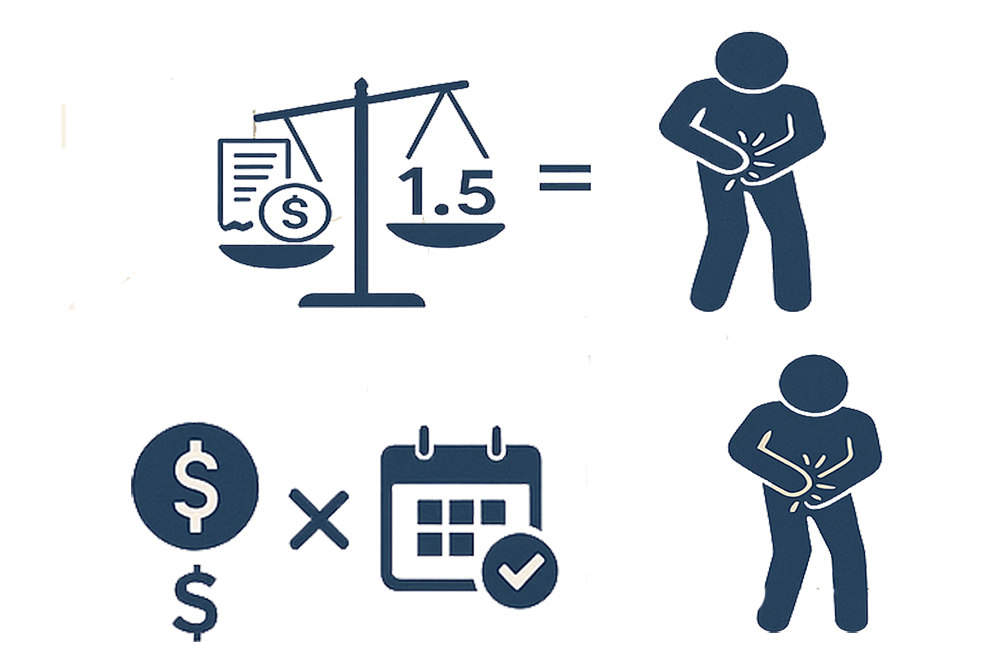
1. The Multiplier Method
Your actual financial losses, such as medical bills and lost wages, are added up. That total is then multiplied by a number that reflects the seriousness of your suffering. For minor injuries, the multiplier might be one and a half. For more severe injuries, it could be three or more.
2. The Per Diem Method
A daily rate is assigned to your pain and suffering. That rate is then multiplied by the number of days you are impacted by the injuries.
Either method may be used to estimate a fair amount, but the final number also depends on the quality of evidence and the strength of your case.
What Kind of Evidence Supports a Claim?
To support your claim for pain and suffering, thorough documentation is key. Some of the most common types of evidence include:
- Medical records that show injury severity and long-term effects
- Notes from doctors outlining physical restrictions or chronic symptoms
- Mental health records or therapy notes
- Prescriptions for pain or anxiety
- Photographs of visible injuries
- A personal journal tracking your pain or emotional state
- Statements from friends, family, or coworkers about changes in your behavior or lifestyle
The stronger your documentation, the clearer the picture of how the accident affected your quality of life.
What Else Affects the Final Amount?
Several other factors may influence how much you can receive for pain and suffering after a car accident:
- The nature and duration of your injuries
- Whether your injuries are permanent or temporary
- How much the injuries interfere with your ability to work or enjoy life
- The credibility of your medical evaluations
- How consistently you followed your treatment plan
Additionally, under Georgia’s modified comparative negligence rule, your compensation may be reduced if you are partially at fault (up to 49%), and recovery is barred if you are 50% or more at fault. As of April 2025, Georgia law (O.C.G.A. § 9-10-184) requires that evidence for pain and suffering be rationally related to the harm, which may impact how these damages are valued during negotiations or in court.
To understand the full legal landscape, check out Personal Injury Law in Georgia: What You Need to Know Before Hiring a Lawyer.
Insurance companies also look at how well your case is presented, how clearly your story is told, and how willing you are to stand firm during negotiations.
Final Thoughts
Concerned about legal fees? Learn what to expect in How Much Do Most Personal Injury Lawyers Charge?.
If you are recovering from a car accident and wondering what your case might be worth, the best step is to speak with someone who understands how these claims are evaluated.
Visit www.wpmhlegal.com to schedule a free consultation with Westmoreland Law. Let us help you understand your options and fight for the compensation you deserve.


