


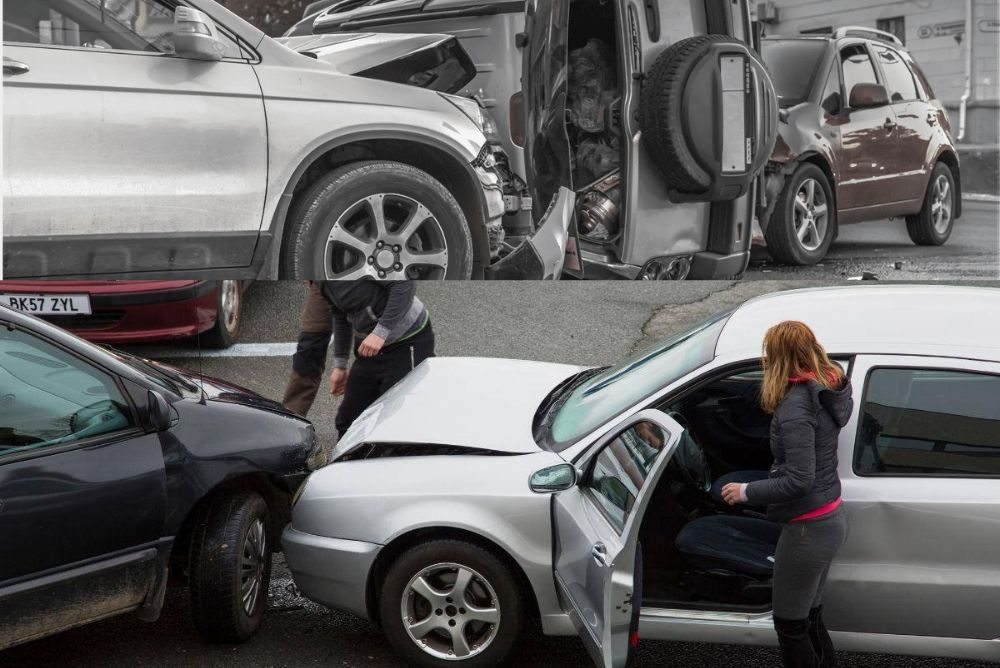
Not every car crash in Macon is clear-cut. Sometimes, it’s not just one driver’s mistake, it’s a mix of poor decisions from two or more people. Maybe someone ran a red light, but another was speeding. Or maybe a third vehicle swerved and caused a chain reaction.
If you’re involved in an accident with shared fault, it’s important to understand how Georgia law handles these situations, especially because it can directly impact how much compensation you receive.
Let’s break it down in plain language.
Can Multiple Drivers Be Held Responsible for the Same Crash?
Under Georgia law, more than one driver can be found legally at fault for a single crash. This is known as shared fault or comparative negligence, and it applies whether the crash involves two cars, a motorcycle, or even a commercial truck.
In fact, these kinds of multi-driver crashes are common in pileups, intersection collisions, and high-speed highway accidents, many of which happen on roads like I-75, Eisenhower Parkway, and Gray Highway right here in Macon.
How Does Georgia’s Comparative Fault Rule Work?
- You can recover compensation as long as you are less than 50% at fault
- Your total compensation will be reduced by your percentage of fault
- If you are 50% or more at fault, you can’t recover damages at all
So, if you’re found to be 25% at fault and your damages total $60,000, you’d still be eligible to receive $45,000.
This rule applies to car, truck, and motorcycle accidents, and it’s especially important when multiple drivers (and their insurance companies) start pointing fingers.
Read more: How Does Georgia’s Comparative Fault Rule Affect My Car Accident Case?
What Happens When Fault Is Disputed?
- Dashcam footage
- Witness statements
- Police reports
- Scene photos
- Vehicle damage patterns
- Accident reconstruction reports
This is where an experienced car accident attorney in Macon, GA can step in to protect your side of the story and ensure that fault is fairly assigned, especially when a commercial vehicle or motorcycle is involved.
Do These Rules Apply to Truck or Motorcycle Accidents?
For example:
- A motorcyclist may be partially blamed for not wearing visible gear
- A truck driver’s company might share fault for poor training or equipment failure
- Passenger vehicles could be responsible for sudden stops or reckless merges
These situations require independent investigation and often involve multiple insurance carriers—each trying to reduce their own payout.
How Does Shared Fault Affect My Settlement?
If you’re partially at fault:
- Your pain and suffering damages are still available, but they’re reduced by your share of blame
- Your medical bills, lost wages, and future care are also affected
- In serious crashes, even a 10% difference in fault can mean thousands of dollars lost
How Long Do These Cases Take to Settle?
- Each party’s insurance company must complete an investigation
- Fault disputes may require accident reconstruction experts
- Negotiations are more complex when three or more parties are involved
While some cases settle in a few months, others may take a year or longer depending on the level of disagreement.
Read: How Long Does It Take to Settle a Car Accident Claim in Georgia?
If you’re curious how much compensation people in Georgia receive based on injury severity, our guide on average settlement amounts can help you set realistic expectations.
What Should You Do After a Crash With Shared Fault?
- Call the police and make sure an official report is filed
- Take photos and video of the scene, vehicle damage, and any injuries
- Don’t admit fault at the scene, even if pressured
- Get medical attention right away
- Speak with a car accident lawyer in Macon, GA who understands comparative fault claims
If you delay or miss key steps, it could make it easier for other parties to shift the blame onto you, reducing or eliminating your ability to recover compensation.
Final Thoughts
If you’re dealing with a complicated accident in Macon, and need a car accident lawyer in Macon, GA who understands multi-driver claims, get in touch with Westmoreland Law today.


